
-

 Vendor:Hartmann
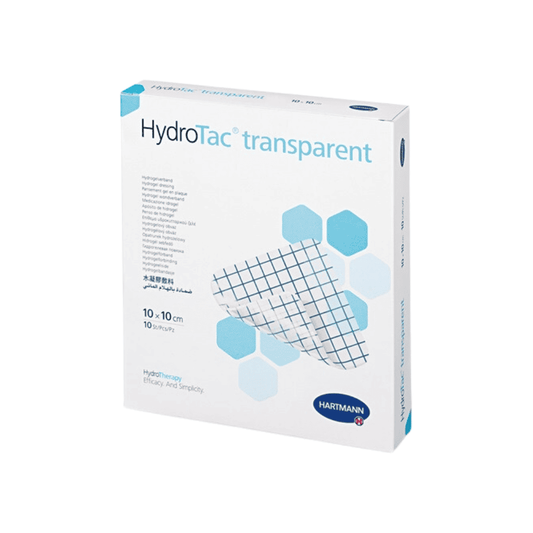
HARTMANN HYDROTAC® Transparent Hydrocellular Gel Association
Features: Foam
Unit price: 12,98 €12,98 € / pieceRegular price From 129,83 € From 129,83 €Sale price From 129,83 € From 129,83 € Regular priceUnit price 0,00 € per129,83 € 129,83 €plus shipping
Delivery
-

 Vendor:BSN Medical
Cutimed PROTECT, medical skin protection, spray, 28ml
Regular price From 17,00 € From 17,00 €Sale price From 17,00 € From 17,00 € Regular priceUnit price 0,00 € per17,00 € 17,00 €plus shipping
Delivery
-
 Vendor:Hartmann
Hartmann PermaFoam Classic
Low stockUnit price: 5,66 €5,67 € / pieceRegular price From 56,69 € From 56,69 €Sale price From 56,69 € From 56,69 € Regular priceUnit price 0,00 € per56,69 € 56,69 €plus shipping
Delivery
-
 Vendor:Hartmann
Hartmann Peha-haft Cohesive Bandage 8 cm x 21 m | Package (1 piece)
Regular price 9,33 € 9,33 €Sale price 9,33 € 9,33 € Regular priceUnit price 0,00 € per9,33 € 9,33 €plus shipping
Delivery
-
 Up to 2% offVendor:BSN Medical
Cutimed Sorbion Plus, Wound Contact Layer
Features: Foam
Low stockUnit price: 4,42 €4,42 € / pieceRegular price From 44,20 € From 44,20 €Sale price From 44,20 € From 44,20 € Regular priceUnit price 0,00 € per44,20 € 44,20 €plus shipping
Delivery
-

 Vendor:BSN Medical
Cutimed Sorbion Sachet Extra, wound dressing
Low stockUnit price: 3,35 €3,35 € / pieceRegular price From 16,75 € From 16,75 €Sale price From 16,75 € From 16,75 € Regular priceUnit price 0,00 € per16,75 € 16,75 €plus shipping
size: 20x20cm, 5x5cm, 7.5x7.5cm, 10x10cm, 20x10cm, 30x20cm
Delivery
-

 Vendor:BSN Medical
Cutimed PROTECT, medical skin protection, cream
Regular price From 7,43 € From 7,43 €Sale price From 7,43 € From 7,43 € Regular priceUnit price 0,00 € per7,43 € 7,43 €plus shipping
Delivery
-
 Vendor:Hartmann
Zetuvit Plus Silicone Border
Low stockUnit price: 8,79 €8,80 € / pieceRegular price From 87,99 € From 87,99 €Sale price From 87,99 € From 87,99 € Regular priceUnit price 0,00 € per87,99 € 87,99 €plus shipping
Delivery
-
 Up to 6% offVendor:Hartmann
Hartmann DermaPlast Active Cool Patch Cooling Patch 10x14 cm | Pack (5 pieces)
Low stockDiscount −6 %Unit price: 1,67 €1,67 € / pieceRegular price 8,36 € 8,36 €Sale price 8,36 € 8,36 € Regular priceUnit price 0,00 € per8,89 € 8,89 €was
8,89 €8,89 €you save 0,53 €0,53 €plus shipping
Delivery
-
 Vendor:Hartmann
Hartmann Peha-haft Cohesive Bandage 12 cm x 21 m | Package (1 piece)
Low stockRegular price 13,38 € 13,38 €Sale price 13,38 € 13,38 € Regular priceUnit price 0,00 € per13,38 € 13,38 €plus shipping
Delivery
-
 Vendor:Hartmann
Hartmann Cosmopor® Silicone sterile wound -speed association 35 x 10 cm - 5 pieces | Pack (5 pieces)
Features: Silicone
Unit price: 7,61 €7,61 € / pieceRegular price 38,05 € 38,05 €Sale price 38,05 € 38,05 € Regular priceUnit price 0,00 € per38,05 € 38,05 €plus shipping
Delivery
-

 Vendor:BSN Medical
Leukomed Control, sterile transparent dressing with transp. Wound dressing
Unit price: 2,04 €2,05 € / pieceRegular price From 20,45 € From 20,45 €Sale price From 20,45 € From 20,45 € Regular priceUnit price 0,00 € per20,45 € 20,45 €plus shipping
size: 10cm x 24cm, 5cm x 7cm, 7cm x 10cm, 8cm x 15cm, 10cm x 35cm
Delivery
-
 Vendor:BSN Medical
Cutimed Alginate, BSN wound dressing, 5 x 5 cm | Pack (10 pieces)
Low stockRegular price 20,95 € 20,95 €Sale price 20,95 € 20,95 € Regular priceUnit price 0,00 € per20,95 € 20,95 €plus shipping
Delivery
-

 Vendor:BSN Medical
Fixomull transparent, waterproof and germ-proof adhesive film
Low stockRegular price From 10,19 € From 10,19 €Sale price From 10,19 € From 10,19 € Regular priceUnit price 0,00 € per10,19 € 10,19 €plus shipping
size: 2m x 10cm, 10m x 5cm, 10m x 10cm, 10m x 15cm
Delivery
-

 Vendor:BSN Medical
Leukomed T plus, sterile transparent dressing with wound dressing
Unit price: 0,52 €0,52 € / pieceRegular price From 2,62 € From 2,62 €Sale price From 2,62 € From 2,62 € Regular priceUnit price 0,00 € per2,62 € 2,62 €plus shipping
Delivery




Wound dressings for professional use
Wound dressings are a central component of modern wound care. They serve to cover and protect wounds and to support a controlled wound environment. By being placed directly on the wound, they play an important role in the healing process and help reduce external influences and mechanical stress during wound treatment.
Typical applications for wound dressings include medical practices, hospitals, nursing facilities, outpatient care settings, and workplace first-aid stations. They are used for acute injuries, postoperative wounds, or as part of routine wound care. Requirements regarding material, absorbency, and skin compatibility vary depending on the wound condition.
In everyday care, wound dressings support structured procedures and hygienic treatment. Thanks to their variety, they can be specifically tailored to different wound types and form the basis for safe and controlled follow-up treatment.
Selection and Properties of Sterile Wound Dressings
Sterile wound dressings are specifically designed for direct contact with open or sensitive wounds and play a vital role in safe wound care. They are manufactured under controlled conditions and individually packaged to minimize the risk of microbial transmission. Their use is particularly important in settings where a high level of hygiene is required.
Typical characteristics of sterile wound dressings include:
- germ-free and safe use
- skin-friendly materials
- reliable wound coverage
- Easy integration into existing care processes
In practice, products such as Hartmann Cosmopor Sterile Wound Dressings are frequently used, as they combine a wound dressing with a fixation system. For standard applications, Hartmann Cosmopor Sterile Wound Dressings are available in various sizes. Silicone-coated variants, such as Hartmann Cosmopor Silicone, are also suitable as they allow for gentle removal.
Sterile wound dressings should be stored in accordance with hygiene guidelines and opened only immediately before use. A careful selection supports the safety and quality of wound care in everyday medical practice.
Use of Medical Wound Dressings in Daily Care
Medical wound dressings are tailored to different wound types and healing phases. Before application, the wound should must be properly cleaned and assessed in order to select the appropriate dressing. The goal is to protect the wound while creating a favorable environment for healing as part of wound care.
Absorbent dressings are used to cover larger or weeping wounds, while particularly soft materials are preferred for sensitive skin areas.
Medical wound dressings should be checked regularly and changed as needed. Care must be taken to maintain hygienic practices. After use, they must be disposed of in accordance with applicable guidelines. A structured approach to application helps to effectively support the healing process and reduce risks.
Complementary solutions with absorbent wound dressings
Absorbent wound dressings expand the range of care options, particularly for wounds with heavy exudate. They reliably absorb wound fluid and help keep the surrounding skin dry. Thanks to their material structure, they support a balanced wound environment and increase comfort.
In combination with other product categories, this creates a comprehensive wound care regimen tailored to different needs. A reliable foundation is provided by the sensible integration of additional solutions from related categories.
Recommended complementary categories:
A coordinated selection of absorbent wound dressings supports streamlined procedures, promotes hygiene standards, and provides a solid foundation for professional and needs-based wound care.


